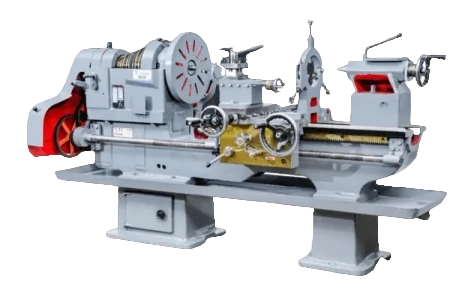
Why Preventive Maintenance Matters for Lathe Machines
Lathe machines are the backbone of any machining workshop. Whether you operate a small job shop or a large-scale manufacturing unit, the performance and longevity of your lathe directly impact your production efficiency and bottom line. Preventive maintenance is not just a recommendation — it's a necessity.
Routine maintenance helps you:
- Extend equipment lifespan — Well-maintained lathes routinely last 20+ years, well beyond their expected service life
- Reduce unplanned downtime — A single unexpected breakdown can cost days of production and thousands in lost revenue
- Maintain machining accuracy — Wear in guideways, spindle bearings, and drive systems directly affects dimensional precision
- Lower operating costs — Preventive maintenance is far cheaper than reactive repairs or premature equipment replacement
Daily Maintenance Checklist
Start every shift with a quick but thorough inspection. These daily habits take just 5–10 minutes but can prevent major issues down the line.
Cleaning: Remove all chips and coolant residue from the bed, carriage, and headstock. Built-up debris can cause scoring on guideways and interfere with smooth motion. Pay special attention to chip trays and coolant channels.
Lubrication: Check oil levels in the headstock, apron, gearbox, and carriage oil reservoirs. Top up if needed using the manufacturer-recommended oil grade. Low oil levels are one of the most common causes of premature spindle and feed-drive wear.
Chuck inspection: Inspect the chuck jaws and faceplate for debris, damage, or wear. Ensure the chuck rotates freely by hand before starting the machine. Any rough spots or uneven jaw alignment should be addressed immediately.
Warm-up routine: Run the machine at low speed for 2–3 minutes before applying heavy cuts. This circulates oil throughout the lubrication system and allows the spindle to reach normal operating temperature, ensuring consistent thermal expansion during machining.
Weekly Maintenance
Set aside 20–30 minutes once a week for these checks:
- Belt tension: Check V-belt tension in the headstock drive. Belts that are too loose cause slippage and power loss; belts that are too tight accelerate bearing wear. Adjust to the manufacturer's specified deflection.
- Guideway inspection: Visually inspect the bed and carriage ways for wear, scoring, or corrosion. Even minor surface damage can grow quickly under load. Light scratches can be stoned out, but deeper scoring may require professional re-grinding.
- Carriage lubrication: Lubricate the carriage and cross-slide ways using the oil pump or manual oiler. Ensure the oil film reaches all friction surfaces. Clean any old, thickened oil before applying fresh lubricant.
- Coolant management: Check coolant concentration using a refractometer. Top up with fresh coolant mix as needed. If the coolant smells foul or shows signs of bacterial growth, drain and replace it immediately — contaminated coolant damages both the workpiece surface and machine components.
Monthly Maintenance
Dedicate a few hours each month to deeper maintenance tasks:
- Hydraulic oil change: Drain and replace hydraulic oil in the system. Over time, hydraulic oil breaks down and accumulates metal particles and moisture. Follow the manufacturer's recommended oil grade and change interval.
- Spindle alignment: Check spindle run-out using a dial indicator. Excessive run-out indicates bearing wear or spindle damage. Address spindle alignment issues early to avoid poor surface finishes and premature tool wear.
- Electrical connections: Inspect all electrical connections, motor terminals, and control panel wiring for signs of overheating, corrosion, or loose contacts. Tighten any loose connections and clean corroded terminals.
- DRO calibration: If your lathe is equipped with a Digital Readout (DRO), calibrate it monthly against a known reference. A misaligned DRO leads to dimensional errors in your workpieces.
Annual Overhaul Checklist
Once a year, schedule a comprehensive machine inspection:
- Bearing replacement: Inspect spindle headstock bearings for noise, heat, and play. Replace if any wear is detected before catastrophic failure occurs.
- Gearbox inspection: Open the gearbox and inspect gear teeth for wear, pitting, or scoring. Check oil for metal particles — a sign of internal wear.
- Lead screw and nut check: Examine the lead screw and half-nut for wear. Backlash should be within manufacturer specifications.
- Motor servicing: Have the main drive motor serviced — check winding resistance, bearing condition, and cooling fan operation.
Common Warning Signs to Watch For
Being proactive means catching problems before they escalate. Watch for these red flags:
- Unusual noises from the headstock, gearbox, or feed drive — grinding, knocking, or whining sounds often indicate bearing or gear issues
- Vibration that increases with spindle speed — could indicate worn bearings, misalignment, or an unbalanced chuck
- Dimensional variation in finished parts — a telltale sign of spindle wear, thermal drift, or DRO miscalibration
- Oil leaks from the headstock or apron — not just messy, but a sign of worn seals that need replacement
- Excessive heat in the headstock housing — often caused by insufficient lubrication or worn bearings
Choosing a Lathe Machine Built to Last
While maintenance keeps any lathe running well, the foundation of reliability starts with machine quality. A well-engineered lathe with robust construction, precision-ground guideways, and quality components requires less frequent intervention and delivers consistent results over decades.
Our Heavy Duty Lathe Machine is built with high-tensile cast iron construction, hardened & ground bedways, and quality spindle bearings — designed to deliver precise, reliable performance even under demanding industrial conditions. Every machine ships with comprehensive documentation, maintenance schedules, and our dedicated after-sales support team.
Explore our full range of lathe machines, including the Medium Duty Lathe Machine and Light Duty Lathe Machine, each engineered for the specific demands of different workshop environments.